
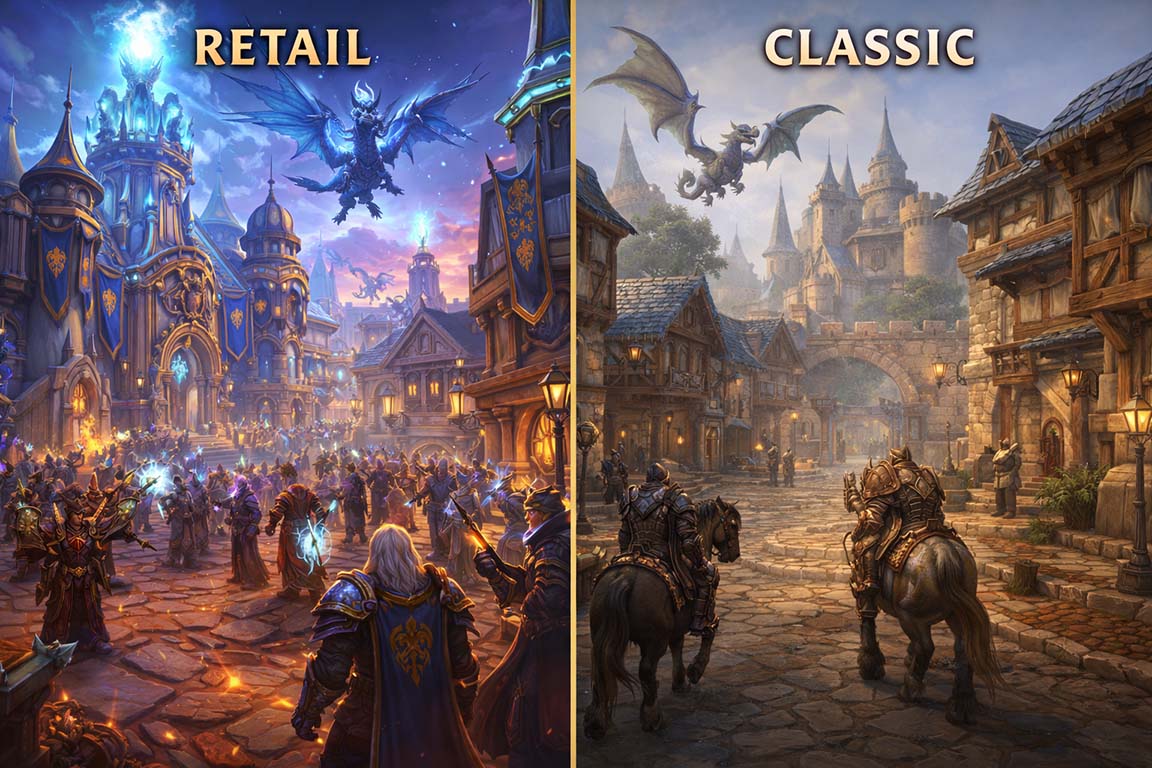
Gold has always played a central role in World of Warcraft, but the rules, enforcement, and risks around gold are very different depending on whether you play Retail or Classic.
Many players assume gold works the same way across all versions of WoW. In reality, Retail, Classic Era, Anniversary servers, and Classic expansions like MoP all operate under very different economic and behavioral conditions — and Blizzard treats them differently as well.
This guide breaks down how WoW gold rules differ between Retail and Classic, what that means for farming, trading, and buying gold, and why understanding these differences matters in 2026.
Why Retail and Classic Gold Shouldn’t Be Compared Directly
At a surface level, gold is gold. You earn it, spend it, and trade it. But the context surrounding gold usage is completely different between Retail and Classic.
Key differences include:
Gold inflation levels
Server population and activity
Player behavior patterns
Blizzard’s enforcement priorities
Because of these differences, actions that appear normal in Retail may stand out sharply in Classic — and vice versa.
How Gold Works in Retail WoW
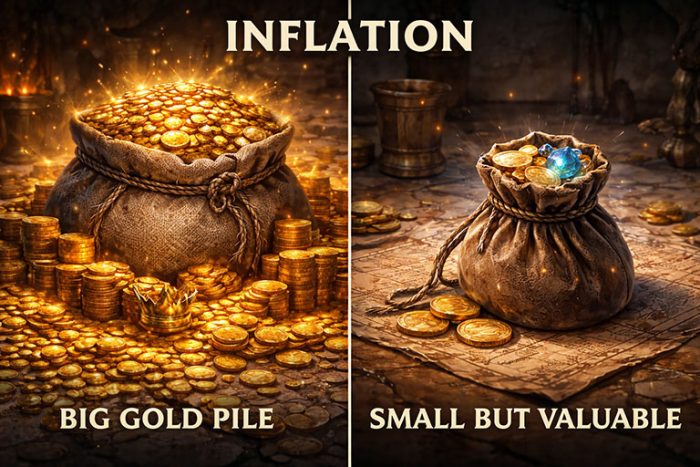
Retail WoW has gone through nearly two decades of economic evolution. As a result, gold is abundant, fast-moving, and heavily inflated.
Gold Inflation in Retail
In Retail:
Daily quests, world quests, and missions generate large amounts of gold
Players commonly hold tens or hundreds of thousands of gold
Expensive mounts, services, and convenience features normalize high balances
Because gold is everywhere, individual transactions rarely stand out on their own.
Blizzard’s Gold Rules in Retail
Retail WoW includes:
The official WoW Token
High gold circulation
Constant gold movement between players
Blizzard’s enforcement focus in Retail is largely on:
Botting networks
Exploit abuse
Real-money trading operations at scale
Individual players are usually reviewed based on patterns, not single actions.
This doesn’t make Retail risk-free — but it does mean moderate, natural behavior blends in more easily.
Gold Buying vs WoW Token in Retail
The WoW Token gives Blizzard an official gold exchange option in Retail. However:
Not all players use it
Prices fluctuate heavily
Some players still prefer third-party marketplaces
Blizzard allows the Token, but third-party gold buying remains against the Terms of Service, even in Retail.
How Gold Works in Classic WoW
Classic WoW — including Classic Era and Anniversary servers — is a completely different environment.
Lower Gold Supply
In Classic:
Gold generation is slow
Repair costs matter
Mounts and consumables are expensive relative to income
Many players struggle to accumulate large amounts
As a result, gold has real weight and meaning.
Smaller Economies, Higher Visibility
Classic servers typically have:
Smaller active populations
Less overall gold circulation
Fewer large transactions
Because of this:
Large gold transfers are more noticeable
Sudden wealth changes stand out
Player behavior is easier to contextualize
What looks normal in Retail may look unusual in Classic.
Blizzard’s Enforcement Approach in Classic
Blizzard applies the same Terms of Service across all versions of WoW, but Classic enforcement tends to be stricter in practice.
Why?
Botting has a larger economic impact in Classic
Gold selling disrupts progression more noticeably
Fewer transactions make patterns easier to detect
This doesn’t mean Blizzard actively hunts individual buyers — but risk tolerance is lower.
In Classic, even small amounts of WoW Classic Gold can have a major impact on progression.
Key Rule Differences: Retail vs Classic
1. Transaction Size Expectations
Retail:
Large gold transfers are common
High balances are normal
Classic:
Large transfers are rare
Even a few hundred gold can be significant early on
2. Gold Movement Patterns
Retail:
Constant buying, selling, and trading
High Auction House activity
Classic:
Slower economy
Fewer high-value Auction House transactions
This means behavioral consistency matters far more in Classic.
3. Impact of Gold on Gameplay
Retail gold is mostly convenience-based:
Repairs
Cosmetics
Optional boosts
Classic gold directly affects progression:
Mounts
Consumables
Raid readiness
Professions
Because gold affects power progression more in Classic, Blizzard monitors it more closely.
Anniversary Servers and Classic Variations
Anniversary servers combine elements of Classic with modern server infrastructure.
They typically feature:
Fresh economies
High early demand for gold
Rapid inflation during early phases
Early economies make Anniversary server gold especially valuable during the first phases.
What About MoP Classic?
MoP Classic sits between Classic and Retail.
Why MoP Is Different
Higher gold generation than Vanilla Classic
More endgame systems that require gold
More normalized gold movement
However:
Still far less inflated than Retail
Still more sensitive than modern expansions
How These Differences Affect Gold Buying Risk
The rules themselves don’t change — but how Blizzard evaluates behavior does.
In Retail
Risk is influenced by:
Repeated suspicious behavior
Large, unnatural patterns
Association with flagged sources
Single, moderate actions are less likely to stand out.
Because Classic and Retail are evaluated differently, players concerned about account safety should understand how Blizzard enforces gold rules — which is explained in detail in our guide on is buying WoW gold safe in 2026.
In Classic
Risk increases with:
Large or sudden gold gains
Early-game purchases
Low-population servers
Poor delivery methods
Classic players benefit more from measured, cautious behavior.
Common Misunderstandings Players Have
“If It’s Fine in Retail, It’s Fine in Classic”
This is one of the most common mistakes players make.
Classic’s economy is fragile. Actions that are invisible in Retail can stand out sharply in Classic.
“Rules Are Stricter, So Everyone Gets Banned”
Classic enforcement feels stricter because:
The economy is smaller
Disruptions are more obvious
That doesn’t mean bans are automatic or inevitable.
How Players Adjust Behavior Across Versions
Experienced players naturally adjust how they treat gold depending on the version they play.
Common adjustments include:
Smaller transactions in Classic
Slower spending patterns
More cautious use early in server lifecycles
Choosing sellers that understand version-specific behavior
Some platforms, like Vanilla.Games, adjust how gold is handled depending on whether it’s Retail or Classic rather than treating all servers the same.
Why Understanding These Differences Matters
Players who understand gold rules across versions:
Make better decisions
Avoid unnecessary risk
Set realistic expectations
Avoid treating gold as “one size fits all”
Retail and Classic are fundamentally different games, even though they share a name.
Final Thoughts
WoW gold rules don’t change on paper — but their impact changes dramatically depending on the version you play.
Retail offers:
High inflation
High activity
Greater tolerance for variation
Classic offers:
Scarcity
Visibility
Lower tolerance for disruption
Understanding these differences allows players to approach gold responsibly, whether they prefer gold farming methods in WoW, trading, or carefully supplementing their playtime.
Gold has always been part of WoW’s ecosystem. Knowing how and where it matters most is what separates informed players from careless ones.