

Reaching endgame in World of Warcraft often feels like crossing a finish line — until gold becomes the next limiting factor.
In 2026, endgame players across Retail, Classic Era, MoP Classic, Anniversary servers, and even private servers face a familiar question: is buying gold actually worth it at endgame, or does it create more problems than it solves?
The answer isn’t universal. It depends on how endgame gold pressure works, what the player values most, and how gold buying fits into a long-term playstyle.
This guide breaks down when buying gold makes sense for endgame players, when it doesn’t, and how experienced players approach the decision without turning gold into a liability.
What “Endgame” Really Means in 2026
Endgame isn’t just raids and gear anymore. For many players, endgame includes:
Weekly raid preparation
Consumable management
Profession upkeep
Enchants, gems, and upgrades
PvP readiness
Maintaining multiple characters
Gold doesn’t directly increase player skill, but it removes friction that can quietly slow progression.
At endgame, gold pressure becomes less about survival and more about efficiency.
How Gold Pressure Changes at Endgame
Earlier in the game, gold pressure is obvious: mounts, training, basic progression.
At endgame, pressure becomes subtle but persistent.
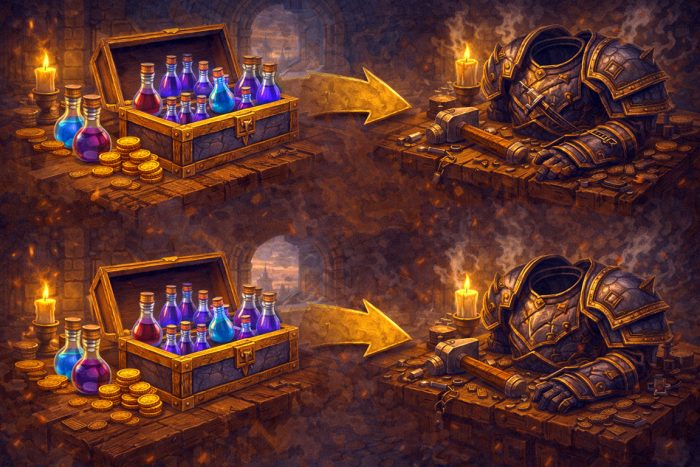
Common endgame gold drains include:
Repairs from repeated wipes
Consumables for progression content
Profession cooldowns and materials
Enchanting and gemming upgrades
Flasks, food, and enhancements
None of these costs are individually shocking — but they stack over time.
Why Endgame Players Consider Buying Gold
Most endgame players don’t buy gold to “skip” content. They do it to protect their time.
Common motivations include:
Limited playtime due to real-life commitments
Avoiding repetitive gold farming
Staying raid-ready without constant grinding
Supporting multiple characters
For these players, gold buying becomes a time-management decision, not a shortcut to power.
When Buying Gold Makes Sense at Endgame
Buying gold can make sense when it solves a specific, contained problem.
1. Covering Predictable Ongoing Costs
Endgame costs are often recurring and predictable.
Gold buying may help when:
Consumables are required weekly
Repair bills accumulate during progression
Professions demand steady investment
Instead of farming repeatedly, some players supplement gold to keep gameplay focused on content they enjoy.
2. Reducing Burnout From Repetitive Farming
Burnout is one of the biggest endgame killers.
Excessive farming:
Reduces raid performance
Turns gameplay into chores
Leads to long-term disengagement
Buying modest amounts of gold can help players stay engaged without overplaying.
For many endgame players, gold farming vs buying gold becomes a question of time management rather than progression.

3. Supporting Multiple Characters
Endgame players often maintain:
Alts for raids or PvP
Profession specialists
Role-flex characters
Managing gold across multiple characters is time-intensive. Supplementing gold can help maintain flexibility without constant farming.
When Buying Gold Is Usually Not Worth It
Buying gold isn’t always the right choice.
1. When Gold Replaces Planning
Gold becomes a problem when players use it to:
Skip learning mechanics
Avoid profession planning
Cover inefficient spending habits
Gold should support good habits — not replace them.
2. When Spending Becomes Reactive
Reactive gold buying happens when players:
Panic after wipes
Try to “catch up” instantly
Spend emotionally
This often leads to poor decisions and unnecessary risk.
3. When Server Context Is Ignored
Endgame gold pressure varies by server type.
Retail endgame gold behaves very differently from:
Classic Era
Anniversary servers
MoP Classic
Private servers
Failing to adapt behavior to server context reduces the value of gold buying.
Understanding how players safely buy WoW gold helps endgame players adapt their behavior to different server environments.
Endgame Gold by Server Type
Retail WoW
Retail endgame:
High gold circulation
Frequent transactions
Easier blending for moderate purchases
Gold buying often focuses on convenience rather than necessity.
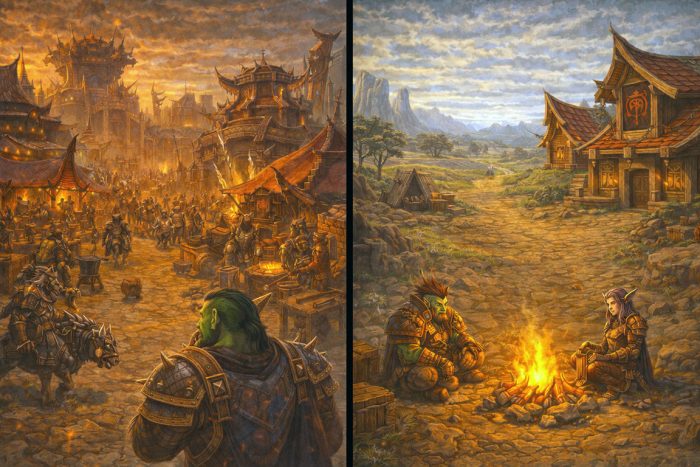
Classic Era & Anniversary Servers
Classic-style endgame:
Scarce gold
High visibility
Greater economic pressure
Gold buying requires more caution and smaller amounts.
MoP Classic
MoP Classic endgame:
Predictable income
Regular expenses
Time-based pressure
Gold buying is often used to smooth weekly costs, not replace income entirely.
Private Servers
Private server endgame:
Highly variable rules
Inconsistent enforcement
Community-driven economies
Gold buying decisions must be server-specific.
Endgame decisions change significantly when buying gold on private servers with inconsistent enforcement.
How Much Gold Is “Worth It” at Endgame?
There is no universal amount.
Endgame players usually benefit most from:
Modest, controlled supplementation
Predictable usage
Gradual spending
Large, sudden purchases rarely add value and often increase stress.
Understanding typical WoW Gold requirements at endgame helps players decide whether supplementation is even necessary.
Why Seller Behavior Matters More at Endgame
Endgame accounts often have:
Long histories
Valuable characters
Established patterns
This makes seller behavior especially important.
Unsafe seller practices create exposure that endgame players can’t easily absorb.
This is why account safety depends on seller behavior, especially for long-established endgame characters.
How Experienced Endgame Players Use Gold
Veteran endgame players tend to:
Buy small amounts infrequently
Space purchases over time
Match server norms
Spend gradually
Gold is treated as a maintenance tool, not a power boost.
Avoiding Common Endgame Gold Mistakes
Endgame players get into trouble when they:
Stack purchases close together
Spend gold immediately and visibly
Ignore long-term patterns
Many endgame issues stem from common mistakes players make when buying gold without a plan.
Is Buying Gold Worth It for You?
Buying gold may be worth it if:
Your time is limited
You enjoy endgame content more than farming
Gold costs block progression
It may not be worth it if:
You enjoy farming
You’re highly risk-averse
You prefer fully self-sufficient play
There is no “correct” answer — only a personal tradeoff.
When Players Choose to Supplement Gold
Some endgame players choose to supplement gold when:
Weekly costs feel repetitive
Farming cuts into raid time
Focus shifts toward performance or PvP
Some endgame players use platforms focused on responsible gold supplementation to supplement wow gold responsibly when limited time makes maintaining raid readiness difficult.
A Healthier Endgame Gold Mindset
The healthiest endgame players:
Respect their time
Avoid extremes
Plan gold usage intentionally
Gold works best when it:
Reduces friction
Preserves enjoyment
Supports consistency
 Final Thoughts: Worth It Depends on the Player
 Final Thoughts: Worth It Depends on the Player
In 2026, buying gold at endgame isn’t about power — it’s about time, consistency, and sustainability.
For some players, buying gold removes friction and keeps the game enjoyable.
For others, it adds unnecessary stress.
The key is moderation, planning, and understanding why you’re doing it in the first place.
Gold should serve your endgame.
Not define it.