
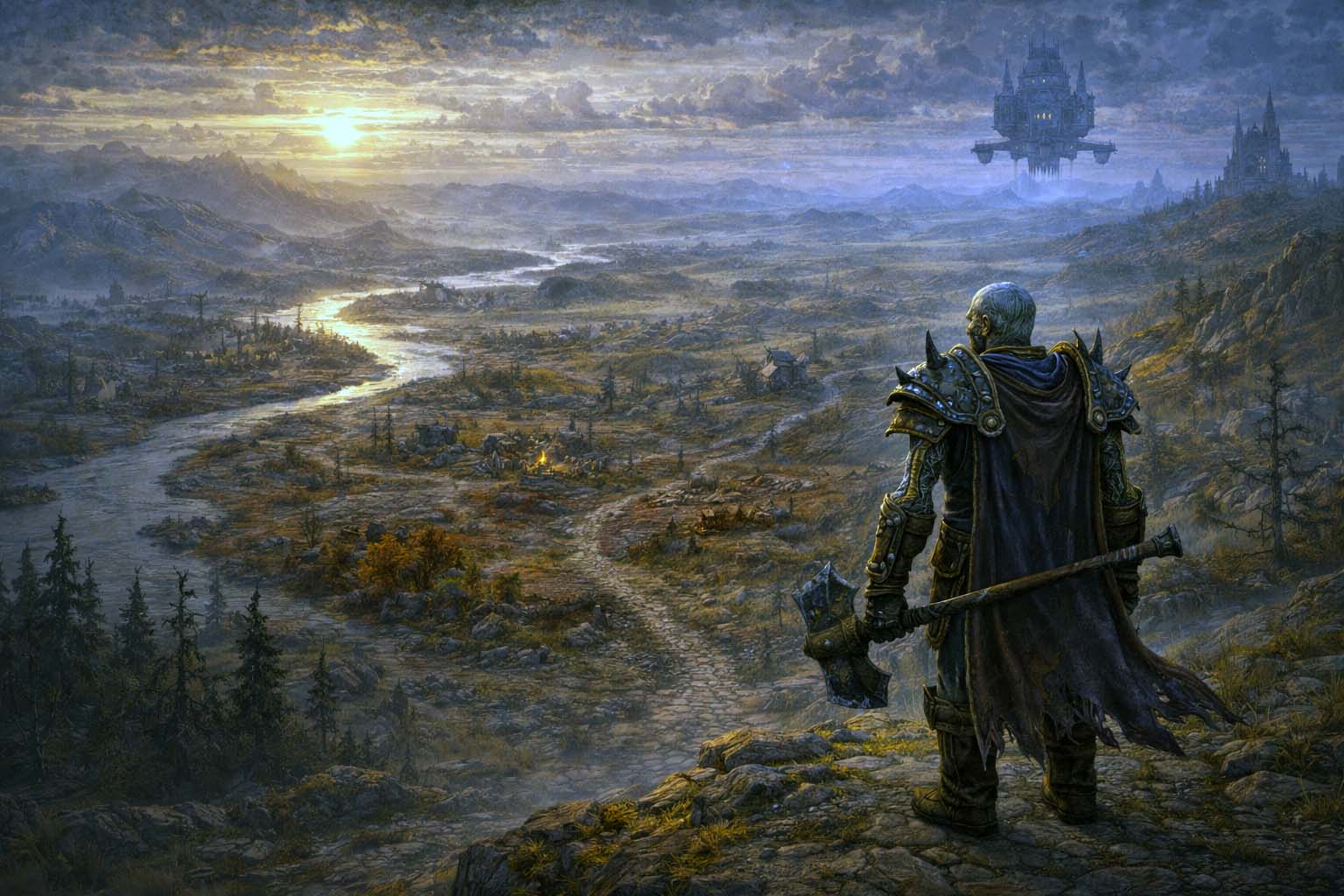
If you’ve returned to WoW Classic after years away, you may have had a familiar reaction: “Why does gold farming feel so much slower than I remember?” You’re doing similar activities, playing familiar classes, and following the same instincts—yet your gold total creeps up far more slowly than it used to.
That frustration is common, and it isn’t just nostalgia playing tricks on you. Gold farming in WoW Classic genuinely feels different in 2026, even when the game systems themselves haven’t changed much. This article breaks down the real reasons behind that feeling and helps explain what’s actually happening under the surface.
Nostalgia vs. Reality in Classic WoW
Memory has a way of smoothing out friction. Many players remember Classic-era gold farming as slow—but manageable. What’s often forgotten is how much time, patience, and trial-and-error was involved back then.
In the original era, expectations were lower. Players didn’t constantly measure efficiency, compare strategies, or track progress in real time. Simply having enough gold for repairs or a mount felt like success. Today, players return with modern expectations shaped by years of optimization, guides, and comparison.
The game hasn’t sped up—but you have.
Server Maturity Changes Everything
One of the biggest differences between then and now is server age.
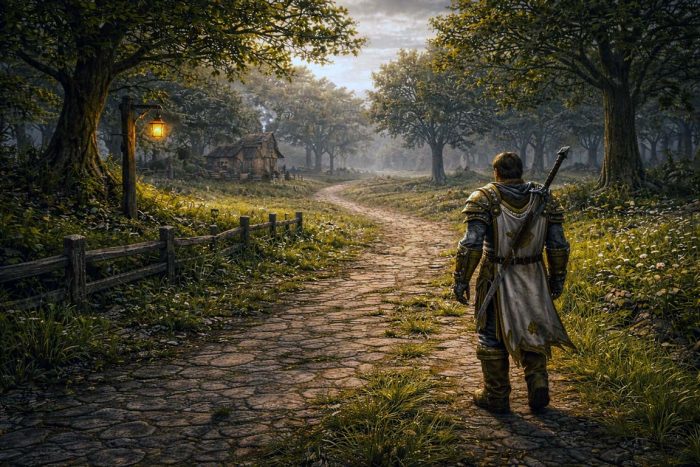
In early Classic environments, gold was scarce but opportunity was abundant. Markets were unstable, demand was unpredictable, and almost everything had value because players were still progressing. Farming during those phases felt impactful because small gains mattered more.
By 2026, most Classic servers are mature:
Markets have stabilized
Inflation has raised baseline costs
Competition exists almost everywhere
Gold farming hasn’t slowed mechanically, but its relative impact has diminished. Earning the same amount of gold now often buys less progress than it once did.
You’re Competing With Better-Informed Players
Another major shift is player knowledge.
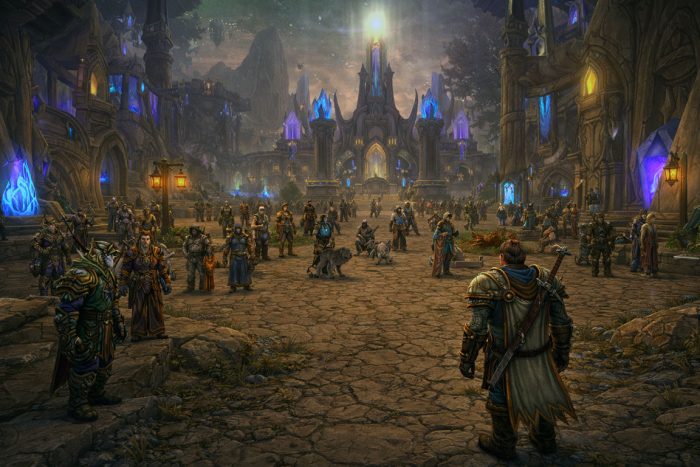
In the past, many players farmed inefficiently without realizing it. That inefficiency created opportunity for others. Today, information spreads instantly. Even casual players have access to guides, discussions, and shared expectations.
This creates a crowded efficiency ceiling. When many players approach farming with similar knowledge, margins shrink. The result isn’t that farming stops working—it’s that it stops standing out.
This is especially noticeable for returning players who remember being “ahead of the curve” simply by being persistent.
Time Feels More Expensive Now
Gold farming often feels slower because your time has changed, not the game.
Most returning Classic players in 2026 are:
Playing fewer hours
Splitting time across more responsibilities
Less willing to grind aimlessly
In the past, long sessions made slow progress feel acceptable. Today, short sessions make every inefficiency feel amplified. Spending an hour to earn modest gold feels worse when that hour is your entire play window.
This shift in perspective alone can make gold farming feel dramatically slower—even if the numbers haven’t changed much.
Inflation Raises the Psychological Bar
Gold totals don’t exist in isolation. What matters is what gold does for you.
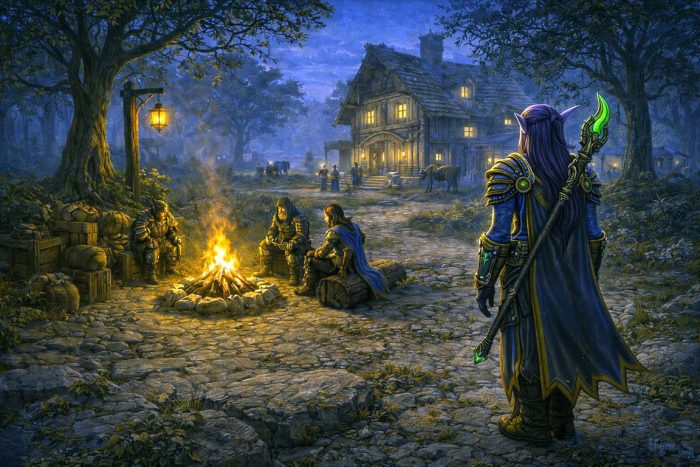
On mature servers, everyday costs are higher. Repairs, consumables, and services all demand more gold than they once did. When expenses rise faster than income, farming feels ineffective—even if your actual earnings are similar.
This creates a psychological effect: you farm, you earn, but you don’t feel ahead. That lack of visible progress is one of the strongest contributors to frustration.
Efficiency Talk Can Make Things Worse
Modern discussions around gold farming often focus on optimization. Gold per hour, efficiency tiers, and comparative performance dominate the conversation.
For many players, especially casual or returning ones, this constant comparison does more harm than good. It reframes normal progress as failure and makes reasonable gains feel inadequate.
Gold farming didn’t used to feel slow because players weren’t constantly measuring themselves against theoretical best cases. When you remove that comparison, progress often feels more satisfying—even if it’s objectively the same.
The Hidden Cost of Burnout
Another reason gold farming feels slower is burnout.
Repeating the same activities with the expectation of efficiency can drain motivation quickly. When motivation drops, progress feels heavier. Sessions feel longer. Small setbacks feel larger.
Burnout doesn’t just reduce enjoyment—it actively reduces perceived efficiency. Players who feel tired of farming often stop earlier, make more mistakes, or avoid sessions altogether, reinforcing the sense that farming “doesn’t work anymore.”
Gold Farming Isn’t Meant to Stand Alone
One key difference between past and present playstyles is how gold farming fits into the game.
In earlier eras, farming was often a primary activity. Today, it works better as a support system—something that complements professions, dungeons, or normal gameplay rather than replacing them.
When farming is treated as the sole solution to gold pressure, it tends to feel slow and unrewarding. When it’s treated as one piece of a broader approach, it often feels more reasonable.
For players trying to recalibrate expectations, thise gold farming methods that still works provides helpful context without focusing on outdated assumptions.
Why It Feels Worse for Returning Players
Returning players face a unique challenge: they remember a version of the game where they had fewer constraints.
They’re older now, their time is more valuable, and their patience for repetitive tasks is lower. At the same time, they remember gold farming as something they “used to handle just fine.”
That mismatch between memory and reality creates disappointment. The problem isn’t skill or knowledge—it’s that the conditions have changed.
Reframing What “Progress” Looks Like
One of the most effective ways to reduce frustration is to redefine success.
Instead of asking:
“How much gold did I make today?”
Try asking:
“Did my gold pressure decrease?”
“Did I support the content I wanted to do?”
“Did I enjoy my session?”
When gold farming supports enjoyment instead of competing with it, it stops feeling slow—even if progress remains gradual.
 Final Thoughts
 Final Thoughts
Gold farming in WoW Classic doesn’t feel slower because you’re doing something wrong. It feels slower because the environment, the economy, and your life circumstances have changed.
In 2026, farming gold is less about pushing numbers and more about maintaining balance. When expectations align with reality, gold farming becomes manageable again—not exciting, not instant, but functional.
Understanding why it feels slower is often the first step toward making peace with it. And once that frustration fades, Classic WoW becomes easier to enjoy for what it still does best: offering a steady, familiar world that rewards patience over pressure.