
Buying WoW gold is rarely a spur-of-the-moment decision. For most players, it comes after weeks of farming, time pressure, or frustration with repetitive gold-making tasks. When players do decide to buy gold, the seller they choose matters far more than the amount they buy.
In 2026, Blizzard’s enforcement systems are more pattern-focused than ever. Risk is no longer just about buying gold — it’s about how that gold enters the game, where it comes from, and whether the seller behaves responsibly.
This guide explains why trusted sellers matter when buying WoW gold, what separates reliable platforms from risky ones, and how experienced players evaluate sellers without chasing false promises.
Gold Buying Has Always Been About Risk Management
There is no such thing as zero-risk gold buying. Anyone claiming otherwise is being misleading.
Instead, buying gold safely has always been about risk management:
Reducing exposure
Avoiding extreme behavior
Choosing sellers who understand game systems
The biggest variable in this equation isn’t Blizzard — it’s the seller.
What Actually Makes a Seller “Trusted”
A trusted seller is not defined by slogans or guarantees. Trust is built through behavior and consistency, not marketing language.
Trusted sellers typically demonstrate:
Stable delivery practices
Controlled transaction pacing
Clean sourcing methods
Server-specific awareness
Untrusted sellers focus on:
Speed at all costs
Cheapest pricing possible
Unrealistic safety claims
The difference becomes clear over time.
Gold Source Matters More Than Players Realize
One of the most overlooked factors in gold buying is where the gold comes from.
Higher-Risk Gold Sources
Gold generated through:
Botting networks
Exploits or duping
Compromised accounts
is far more likely to be flagged retroactively. Even if delivery looks normal, bad sourcing increases long-term risk.
Trusted sellers prioritize clean sourcing, even if it costs more and takes longer.
Delivery Behavior Reflects Seller Quality
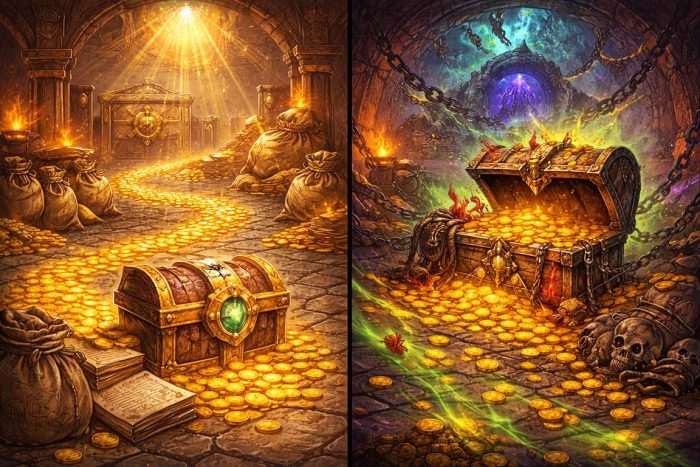
How gold is delivered often reveals whether a seller understands risk.
Responsible Delivery Characteristics
Reasonable amounts per transaction
Timing that matches normal gameplay
Delivery methods aligned with server norms
Risky Delivery Red Flags
Instant, oversized transfers
Multiple deliveries back-to-back
No consideration for server population
Blizzard’s systems don’t just look at players — they look at patterns tied to sellers.
Seller behavior becomes especially clear when you understand WoW gold delivery methods and how patterns are evaluated.
Why “Cheap” Is Often the Most Expensive Choice
Many problems start with players chasing the lowest price.
Extremely cheap gold often signals:
Aggressive farming
Automated botting
Exploit-based generation
These practices create unstable patterns that are easier to detect over time.
Trusted sellers price gold realistically because they account for:
Human labor
Safer sourcing
Controlled delivery
Paying slightly more often reduces long-term issues.
Server Awareness Separates Good Sellers From Bad Ones
WoW is not a single environment. Each server type behaves differently.
Retail Servers
High gold circulation
Frequent transactions
Easier blending for moderate purchases
Classic Era & Anniversary Servers
Low gold supply
High visibility
Smaller margins for error
MoP Classic
Predictable income
Scaling expenses
Time management focus
Private Servers
Server-specific rules
Admin discretion
Inconsistent enforcement
Trusted sellers adapt their behavior based on where the gold is delivered.
This is why experienced players focus on how players safely buy WoW gold rather than chasing speed or price.
Why Seller Reputation Is About Patterns, Not Reviews
Many players rely on surface-level signals like:
Reviews
Testimonials
Star ratings
While these can help, they don’t tell the full story.
Reputation is built through:
Long-term consistency
Repeat customers
Low issue frequency
Untrusted sellers often cycle names, domains, or brands quickly to avoid accountability.
Post-Delivery Support Is a Hidden Trust Signal
What happens after delivery matters just as much as the delivery itself.
Trusted sellers:
Communicate clearly
Avoid pressuring players
Encourage normal behavior
Untrusted sellers:
Disappear after delivery
Push repeat purchases quickly
Ignore player concerns
Support behavior often reveals seller intent.
Why Sellers Influence Risk More Than Players Think
Blizzard’s systems evaluate networks, not just individuals.
When a seller:
Reuses the same delivery characters
Sources gold unsafely
Moves gold aggressively
patterns form across multiple accounts.
Players buying from the same risky seller inherit part of that exposure — even if their individual behavior is reasonable.
Common Myths About Trusted Sellers
“All Sellers Are Basically the Same”
They are not. Differences in sourcing, pacing, and server awareness create very different risk profiles.
“Fast Delivery Is Always Better”
Speed often increases visibility. Trusted sellers prioritize normalcy, not instant results.
“Trusted Means Guaranteed”
No seller can guarantee outcomes. Trust is about reducing risk, not eliminating it.
Time vs Safety: The Real Tradeoff
Most players buy gold to save time. The mistake is sacrificing safety to do it.
Trusted sellers help players:
Save time responsibly
Avoid repetitive farming
Reduce friction without extremes
For many players, time vs value when earning gold becomes a question of time management rather than power.
When Players Choose Trusted Platforms
Players usually prioritize trusted sellers when:
Playtime is limited
Accounts are long-term investments
They want consistency over shortcuts
Gold buying becomes a time-management tool, not a gamble.
Supplementing Gold Without Overdoing It
Responsible gold supplementation focuses on moderation.
Trusted platforms encourage:
Reasonable amounts
Infrequent purchases
Server-appropriate delivery
Some players explore WoW Gold options from platforms like Vanilla Games when consistent farming no longer fits their available playtime.
Warning Signs of Untrusted Sellers
Players should be cautious when sellers:
Promise “no bans”
Push urgency aggressively
Offer prices far below market norms
Ignore server-specific questions
If something sounds risk-free, it usually isn’t.
How Experienced Players Choose Sellers
Veteran players look for:
Longevity
Transparent communication
Conservative delivery
Realistic expectations
They don’t chase deals — they minimize disruption.
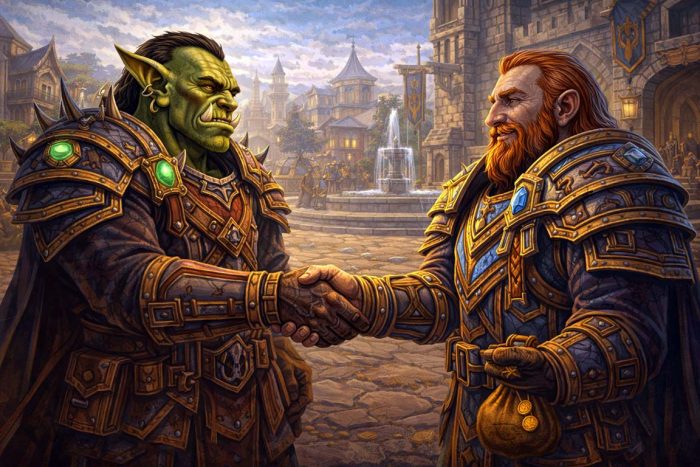
Final Thoughts: Trust Is a Long-Term Decision
In 2026, buying WoW gold safely is less about finding a trick and more about choosing who you trust.
Trusted sellers:
Reduce risk through behavior
Respect server differences
Encourage normal gameplay
Untrusted sellers amplify risk — often quietly and over time.
Gold buying has always existed in WoW. Players who treat it as a calculated, informed decision rather than a shortcut tend to avoid problems far more often.
Trust doesn’t mean perfection.
It means fewer surprises.