
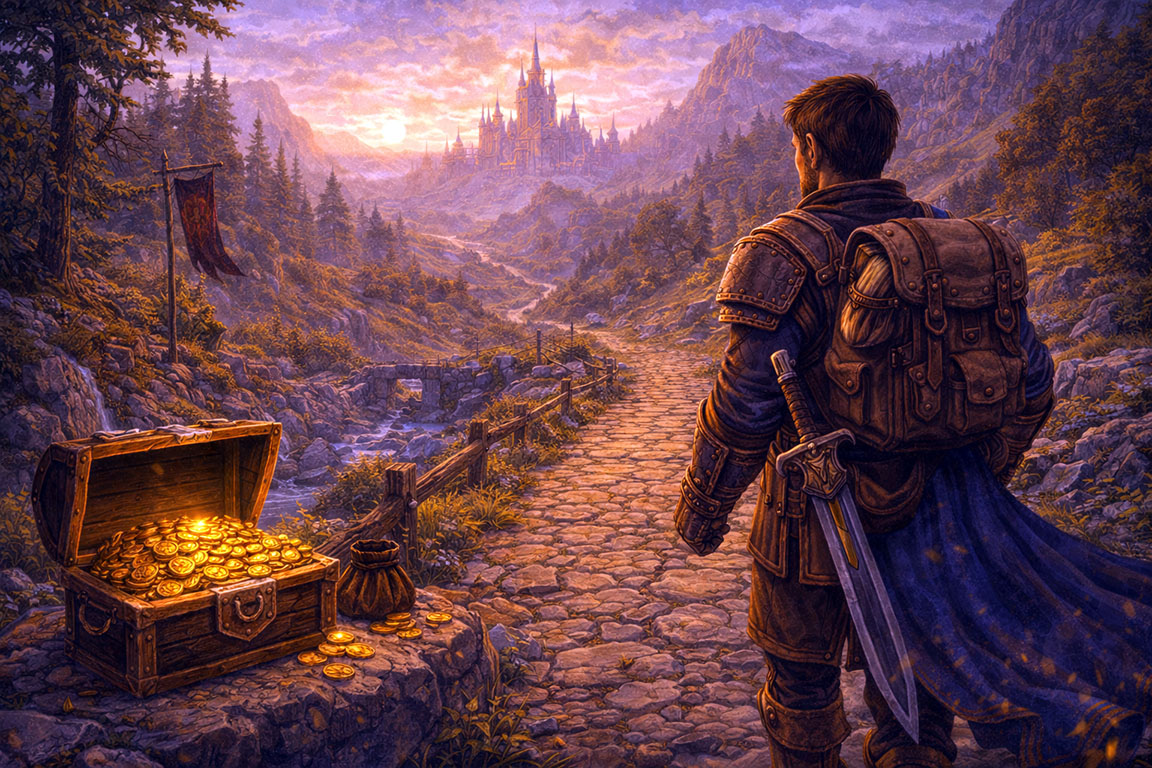
From the very first days of World of Warcraft, gold has been more than just a number in a character’s inventory. It has shaped how players level, prepare, trade, raid, and manage their time.
While opinions about gold usage have changed over the years, one thing has remained consistent: gold has always been a core system, not a side feature. It influences progression, accessibility, and player behavior across every version of the game.
This article explains why gold has always mattered in WoW, how its role evolved over time, and why experienced players in 2026 still treat gold as a foundational part of the game rather than an optional convenience.
Gold Was Designed as a Core Progression System
From launch, WoW was built around multiple interconnected systems:
Character power
Time investment
Resource management
Gold sits at the center of these systems.
Early design decisions made gold essential for:
Training abilities
Buying mounts
Repairing gear
Accessing professions
Gold wasn’t added later as a monetization tool — it was embedded from day one as a way to pace progression and create meaningful choices.
Gold Created Meaningful Trade-Offs
One of WoW’s strengths has always been choice.
Players constantly decide:
Farm now or progress later
Spend gold or save it
Invest in professions or gear
Gold enables these trade-offs. Without it, progression would be linear and shallow.
When gold is limited, decisions matter. That tension is intentional.
Early WoW Made Gold Scarcity Obvious
In early versions of the game:
Gold was hard to earn
Mount costs felt enormous
Repairs punished mistakes
These pressures taught players important lessons:
Plan ahead
Spend carefully
Value preparation
Gold scarcity wasn’t a flaw — it was part of the learning curve that shaped player behavior.
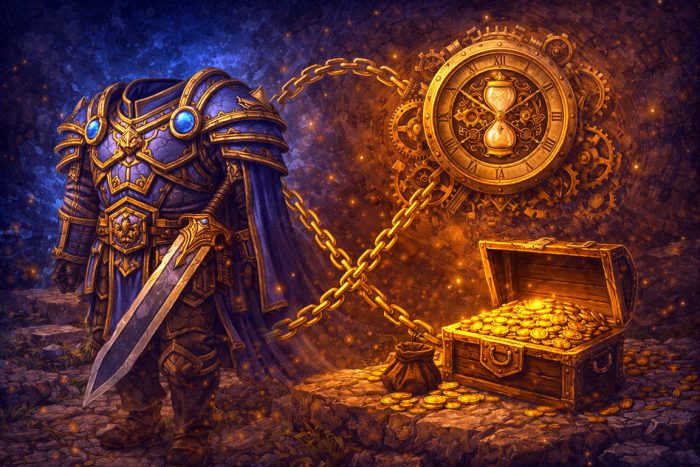
Gold and Time Have Always Been Linked
As WoW evolved, gold became less about survival and more about time management.
Players learned that gold could:
Reduce repetitive farming
Smooth preparation
Allow focus on preferred content
This shift didn’t remove gold’s importance — it changed how players used it.
Experienced players stopped asking “How do I get more gold?” and started asking “How do I spend gold to protect my time?”
Why Gold Never Became Irrelevant
Even as systems improved and income increased, gold never lost relevance.
Why?
Because WoW constantly introduces:
New consumables
New progression layers
New preparation costs
Gold scales with content. When income rises, expenses follow.
This keeps gold relevant without making it oppressive.
Gold as a Social and Economic System
Gold also connects players to each other.
It powers:
The Auction House
Professions and crafting
Player-to-player trade
These systems create interdependence. Players specialize, trade, and cooperate because gold exists as a shared resource.
Without gold, WoW would lose much of its living economy.
Gold Has Always Shaped Raid Preparation
Raiding has never been just about skill.
Gold affects:
Consumable usage
Repair sustainability
Upgrade readiness
Even the best players struggle when preparation breaks down due to gold shortages.
This long-standing relationship is why gold shortages and raid preparation remain closely connected even today.
Gear Gets the Attention — Gold Does the Work
Gear is visible. Gold is not.
Players celebrate gear upgrades, but gold quietly enables:
Enchants
Gems
Consumables
Repeat attempts
This is why experienced players understand that gold shortages hurt progression more than missing gear.
Different Versions, Same Gold Principles
While gold systems differ across versions, the fundamentals remain the same.
Retail
High gold flow
Convenience-focused spending
Time efficiency dominates
Classic Era & Anniversary Servers
Scarcity-driven decisions
High impact of mistakes
Careful planning rewarded
MoP Classic
Predictable income
Steady expenses
Time management focus
Private Servers
Variable economies
Server-specific rules
Gold strategy must adapt
Veterans adjust their gold mindset based on environment, not nostalgia.
These principles still apply even though private server gold is different from Blizzard-managed environments.
Gold Is a Stability System, Not a Shortcut
A common misconception is that gold exists to “skip” gameplay.
In reality, gold exists to:
Stabilize preparation
Reduce friction
Support consistency
Players who misuse gold tend to struggle more, not less.
Gold rewards planning, not recklessness.
Why Farming Was Never the Only Answer
From the beginning, WoW offered multiple ways to manage gold:
Questing
Professions
Trading
Farming
Farming was never meant to be the only path — just one option among many.
Experienced players use farming strategically, not compulsively.
From the start, gold farming vs buying gold has been a question of time management rather than shortcuts.
Buying Gold Didn’t Create the Demand — Time Did
As players aged and schedules changed, gold decisions evolved.
Many long-term players realized:
Time became more limited
Expectations stayed high
Preparation still mattered
Buying gold didn’t replace gameplay — it addressed time constraints.
This is why buying gold discussions persist: not because gold is optional, but because it’s essential.
As systems evolved, players focused more on how players safely buy WoW gold instead of whether gold mattered at all.
Seller Behavior and Responsibility Matter
Gold systems only work when players act responsibly.
Experienced players understand that:
Source quality matters
Delivery behavior matters
Repeated patterns matter
Gold decisions are evaluated over time, not in isolation.
This long-term view explains why account safety depends on seller behavior as much as player decisions.
Common Gold Mistakes Repeat Across Eras
Despite system changes, players still repeat the same mistakes:
Overspending early
Ignoring long-term costs
Acting emotionally under pressure
These mistakes existed in early WoW and still exist today.
Many of the same common mistakes players make today existed in early versions of the game.
Gold Is Part of the WoW Learning Curve
Learning WoW has always involved learning gold management.
New players learn:
What costs matter
When to save
When to spend
Veteran players internalize these lessons and stop thinking about gold consciously — because their systems work.
When Players Choose to Supplement Gold
Some players eventually supplement gold to maintain consistency when:
Playtime shrinks
Responsibilities grow
Expectations remain high
This is done intentionally, not impulsively.
Some long-term players use platforms like Vanilla.Games to supplement gold responsibly when time constraints make consistency difficult.
The Real Reason Gold Has Always Mattered
Gold has never been about being rich.
It has always been about:
Readiness
Stability
Control over time
These needs never disappear — they evolve.
As long as WoW rewards preparation and consistency, gold for WoW will remain part of the game.
 Final Thoughts: Gold Is Part of WoW’s DNA
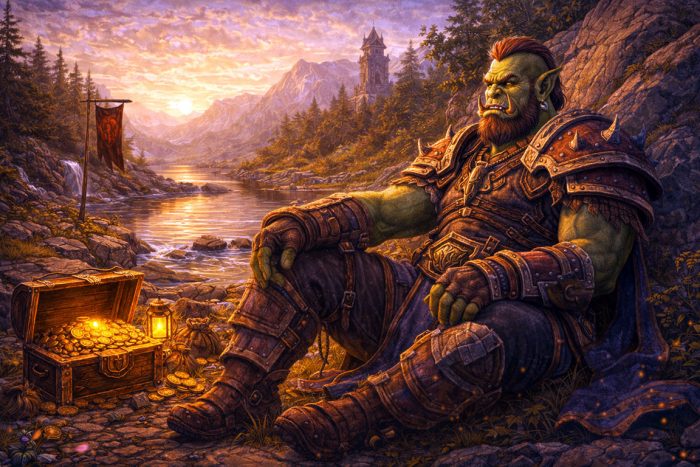 Final Thoughts: Gold Is Part of WoW’s DNA
In 2026, gold still matters for the same reason it mattered in 2004.
It supports:
Decision-making
Preparation
Player agency
Gold isn’t a flaw in WoW’s design.
It’s one of the systems that made the game endure.
Players who understand this stop fighting gold — and start using it as intended.