Gold has always been important in World of Warcraft, but not all versions of the game treat gold the same way.
In 2026, the difference between Retail WoW and Classic WoW has never been clearer — especially when it comes to gold. Many players moving between versions are surprised to discover that gold in Classic feels far more impactful, far more scarce, and far more central to progression than it does in Retail.
This article explains why WoW gold matters more in Classic than Retail, how the two economies evolved differently, and what that means for farming, spending, and time management today.
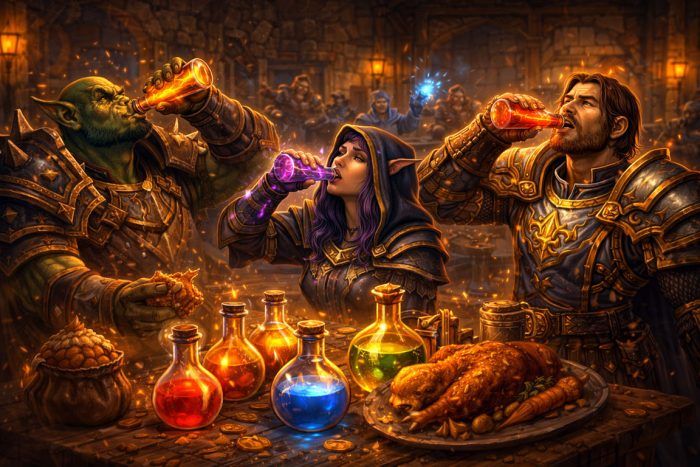
The Fundamental Difference Between Retail and Classic
At a glance, Retail and Classic share the same currency. In practice, they operate under completely different economic philosophies.
Retail WoW has evolved toward:
Convenience
Accessibility
High gold generation
Classic WoW preserves:
Scarcity
Long-term planning
Meaningful trade-offs
Gold reflects those differences more than almost any other system in the game.
Gold Inflation: The Core Reason Gold Feels Different
Retail WoW: Gold Is Abundant
In Retail:
Daily activities generate steady gold
Players accumulate large balances naturally
Repair costs are relatively insignificant
Many systems provide gold passively
Over time, this has created significant gold inflation. Having thousands — or even hundreds of thousands — of gold is normal.
As a result, gold in Retail often functions as a convenience currency, not a progression gate.
Classic WoW: Gold Is Scarce
Classic WoW was designed around limited gold flow:
Few reliable gold sources
Slow quest rewards
Meaningful repair and travel costs
Expensive mounts relative to income
In Classic, even small amounts of WoW Classic Gold can determine how quickly a player progresses.
This scarcity is the single biggest reason gold feels more important in Classic.
These differences are rooted in how Blizzard applies gold rules differently, which is explained in detail in our breakdown of how WoW gold rules differ between Retail and Classic.
How Gold Directly Affects Progression in Classic
Mounts Are a Major Milestone
In Retail:
Mounts are easily accessible
Gold cost is trivial for most players
In Classic:
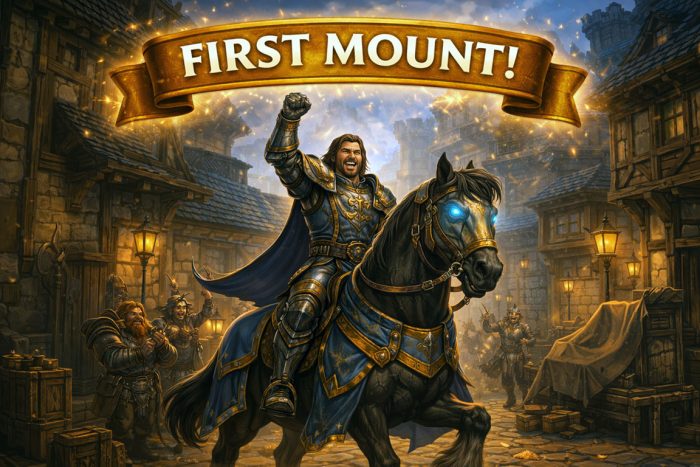
The first mount is a major achievement
Epic mounts require long-term planning
Players often delay purchases to save gold
Mounts directly affect leveling speed, farming efficiency, and overall enjoyment — making gold a core progression resource.
Consumables Matter More in Classic
Classic endgame relies heavily on:
Potions
Flasks
Buff food
Resistance gear
These consumables are:
Expensive
Often mandatory for raids
Repeatedly required
Running out of gold in Classic can mean missing raid nights or underperforming, which rarely happens in Retail.
Professions Are Gold-Dependent
In Retail:
Professions are streamlined
Catch-up systems reduce cost pressure
In Classic:
Professions require large upfront investment
Materials are expensive
Crafting mistakes are costly
Gold directly determines how quickly (or whether) a player can fully utilize professions.
Retail Gold: Convenience, Not Survival
Retail gold still matters — but in a very different way.
What Gold Is Used for in Retail
Most Retail gold is spent on:
Repairs
Transmogs
Optional crafting
Services and quality-of-life features
While useful, these expenses rarely block progression.
A Retail player with low gold is inconvenienced.
A Classic player with low gold is stalled.
In Retail, WoW gold is more commonly used for convenience than core progression.
The Role of Time in Classic vs Retail
Time Converts to Gold More Directly in Classic
In Classic:
Farming is slower
Gold per hour is limited
Competition affects efficiency
This makes gold a direct measure of time invested.
In Retail, time investment:
Scales more quickly
Has more catch-up mechanics
Is less tightly tied to gold accumulation
Classic gold is a representation of time scarcity, not just currency.
Auction House Dynamics: Why Gold Feels Heavier in Classic
Retail Auction House
Retail’s Auction House features:
High volume
Constant undercutting
Automated systems
Massive supply
Prices fluctuate, but players generally have access to what they need.
Classic Auction House
Classic Auction Houses have:
Lower supply
Higher volatility
Player-driven scarcity
Strong server identity
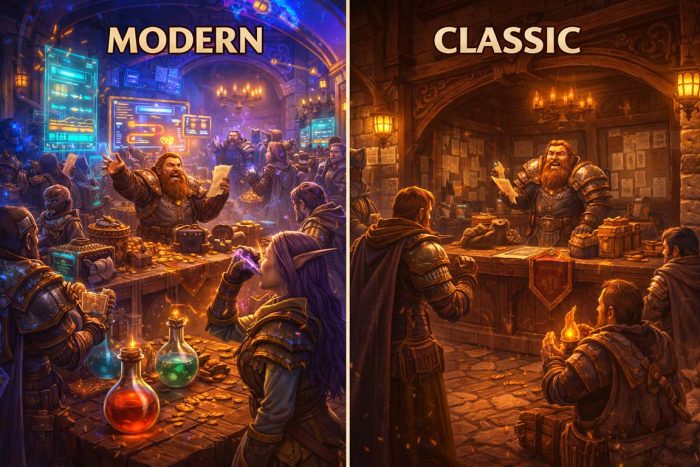
One bad purchase can significantly set a player back. One smart investment can change a character’s entire trajectory.
Social Pressure and Gold in Classic
Gold matters more in Classic not just mechanically, but socially.
Raid Expectations
In Classic:
Players are expected to bring consumables
Preparation reflects commitment
Gold shortages are noticeable
Running out of gold doesn’t just affect you — it affects your group.
Reputation and Reliability
Classic servers often develop tight-knit communities. Players who:
Constantly struggle with repairs
Can’t afford consumables
Miss raid prep
gain a reputation quickly.
Retail’s scale makes this less noticeable. Classic’s smaller communities amplify it.
Why Classic Gold Creates More Stress (and More Satisfaction)
Because gold is scarce in Classic:
Spending decisions feel meaningful
Progress feels earned
Mistakes are memorable
This creates:
Higher stress when gold is low
Greater satisfaction when goals are reached
Retail smooths these edges. Classic embraces them.
What This Means for Farming vs Supplementing Gold
Many Classic players reach a point where:
Farming methods in WoW consumes most of their playtime
Progress slows dramatically
Enjoyment declines
This is where players start evaluating time vs enjoyment.
Some continue farming. Others choose to supplement gold carefully to focus on:
Raiding
PvP
Social play
Some players use platforms like Vanilla.Games to supplement gold when limited playtime makes farming impractical.
Because gold plays a much larger role in Classic, players often weigh time versus risk, which is why understanding is buying WoW gold safe matters more in Classic than in Retail.
Classic Expansions and Variations
Anniversary Servers
Fresh Anniversary servers amplify gold’s importance:
Early scarcity
Rapid inflation
High demand for basic materials
Early phases make Anniversary servers gold especially important due to limited supply.
MoP Classic
MoP Classic increases gold generation compared to Vanilla, but:
Gold still gates professions and progression
Endgame systems increase demand
Inflation remains lower than Retail
Why Players Feel the Difference Immediately
Players moving from Retail to Classic often report:
Shock at repair costs
Slower progression
Constant gold pressure
This isn’t accidental. It’s a direct result of Classic’s original design philosophy.
Classic expects players to:
Plan ahead
Make trade-offs
Respect gold as a limited resource
Final Thoughts: Gold Defines the Classic Experience
In 2026, the contrast between Retail and Classic is clear:
Retail gold:
Smooths gameplay
Enables convenience
Rarely blocks progress
Classic gold:
Defines progression
Shapes social expectations
Forces meaningful decisions
Gold matters more in Classic because Classic was designed to make it matter.
Understanding this difference helps players set expectations, manage time, and enjoy the version of WoW they choose — without frustration or surprises.